SMS marketing can produce exceptional results when executed correctly. However, simply sending messages is not enough. The businesses that consistently achieve high engagement rates focus on timing, relevance, personalization, and customer experience.
Customers treat text messages differently than emails or social media posts. SMS feels more personal and immediate. Because of that, businesses must respect the channel and use it thoughtfully.
The following best practices can help improve campaign performance while building stronger relationships with customers.
1. Always Get Permission First
The foundation of successful SMS marketing is consent. Customers should clearly understand what they are signing up for and what types of messages they will receive.
Permission-based marketing improves engagement while reducing complaints and opt-outs.
2. Focus on Quality Over Quantity
Sending more messages does not automatically generate better results. Excessive messaging often leads to unsubscribes and customer frustration.
Every campaign should provide a clear benefit to the recipient.
3. Segment Your Contact Lists
Not every customer should receive the same message. Segmentation allows businesses to deliver more relevant content.
Customers respond better when messages match their interests, purchase history, or stage in the customer journey.
- New leads: People who recently joined your list.
- Existing customers: Customers who have already purchased.
- Inactive customers: People who have not engaged recently.
4. Personalize Messages
Personalization helps messages feel more relevant. Including a customer's name, appointment date, or previous purchase information can improve engagement.
Modern SMS platforms make personalization simple through merge fields and templates.
5. Keep Messages Short
SMS is designed for quick communication. Long paragraphs often reduce readability.
Focus on one main message and one clear action.
6. Include a Clear Call-to-Action
Customers should immediately understand what to do next.
Whether it's booking an appointment, visiting a website, or replying to a message, every campaign should have a clear objective.
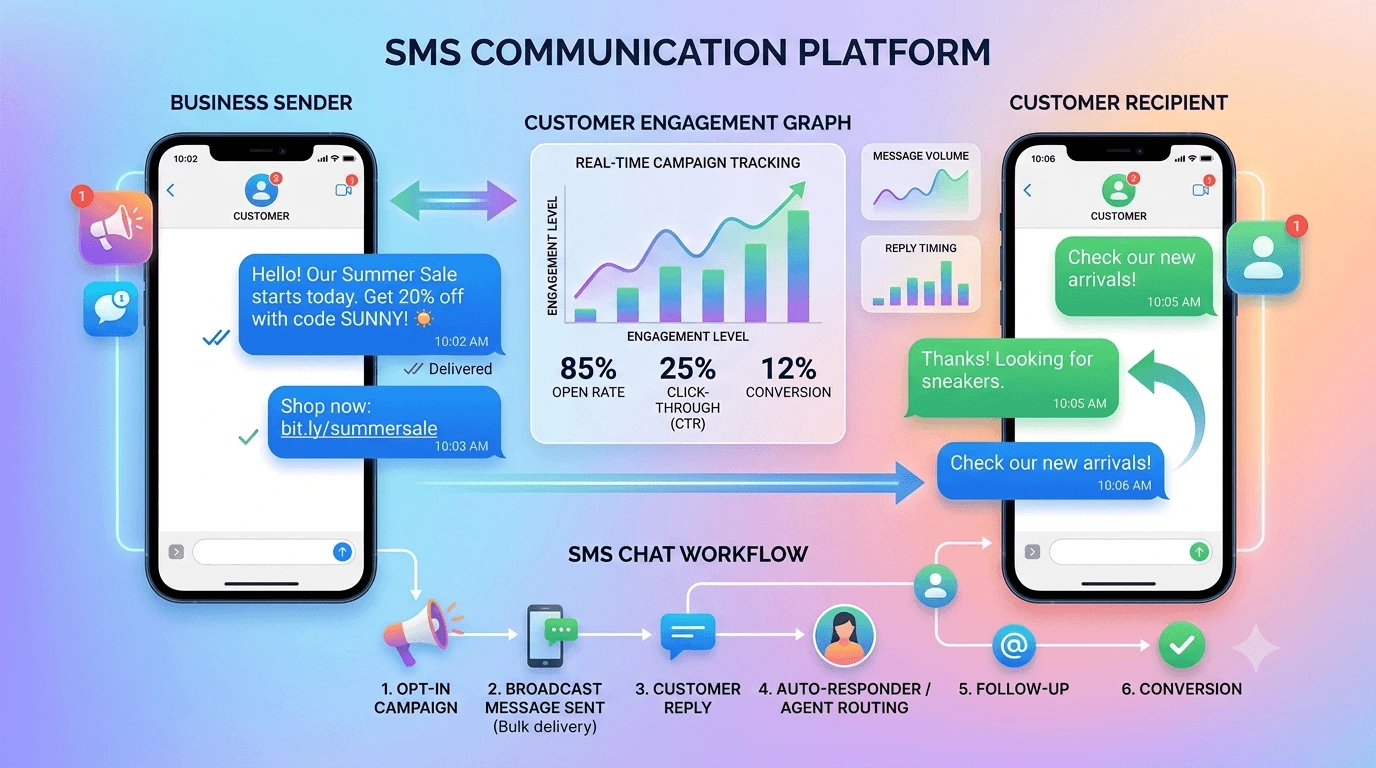
7. Use Two-Way Messaging
Customers often have questions before making a decision.
Allowing replies creates conversations that build trust and improve conversion rates.
8. Schedule Messages Carefully
Timing significantly affects campaign performance.
Messages sent during appropriate business hours generally perform better than messages sent late at night or early in the morning.
9. Automate Repetitive Communication
Automation saves time while ensuring consistency.
Appointment reminders, follow-up sequences, welcome messages, and renewal reminders are excellent candidates for automation.
10. Use Templates
Templates reduce manual work and help maintain consistent messaging.
Most businesses find that a small library of well-written templates covers a large percentage of their communication needs.
11. Track Performance Metrics
Improvement requires measurement.
Monitor delivery rates, response rates, click-through rates, opt-out rates, and conversion performance to identify opportunities for optimization.
12. Keep Contact Data Organized
Clean contact lists improve campaign effectiveness.
Accurate segmentation and customer records make personalization and targeting significantly easier.
13. Avoid Generic Mass Messaging
Customers respond better to relevant communication than broad broadcasts.
Targeted campaigns often outperform larger campaigns because the content is more useful to recipients.
14. Test Different Approaches
Small changes in wording, timing, and offers can impact performance.
Testing helps identify which approaches resonate most with your audience.
15. Build Long-Term Relationships
The goal of SMS marketing is not simply generating immediate sales.
Consistent, valuable communication builds trust, increases customer retention, and creates long-term business growth.
Tip: The best SMS campaigns feel helpful rather than promotional. Focus on delivering value first.
Common SMS Marketing Mistakes
Many businesses struggle because they send too many messages, ignore segmentation, or fail to provide clear value.
Avoiding these common mistakes can significantly improve campaign performance and customer satisfaction.
- Over-messaging: Sending messages too frequently.
- Poor targeting: Sending irrelevant offers to the wrong audience.
- Ignoring replies: Missing opportunities for customer conversations.
- Lack of automation: Spending unnecessary time on repetitive tasks.
How MK TextBiz Supports These Best Practices
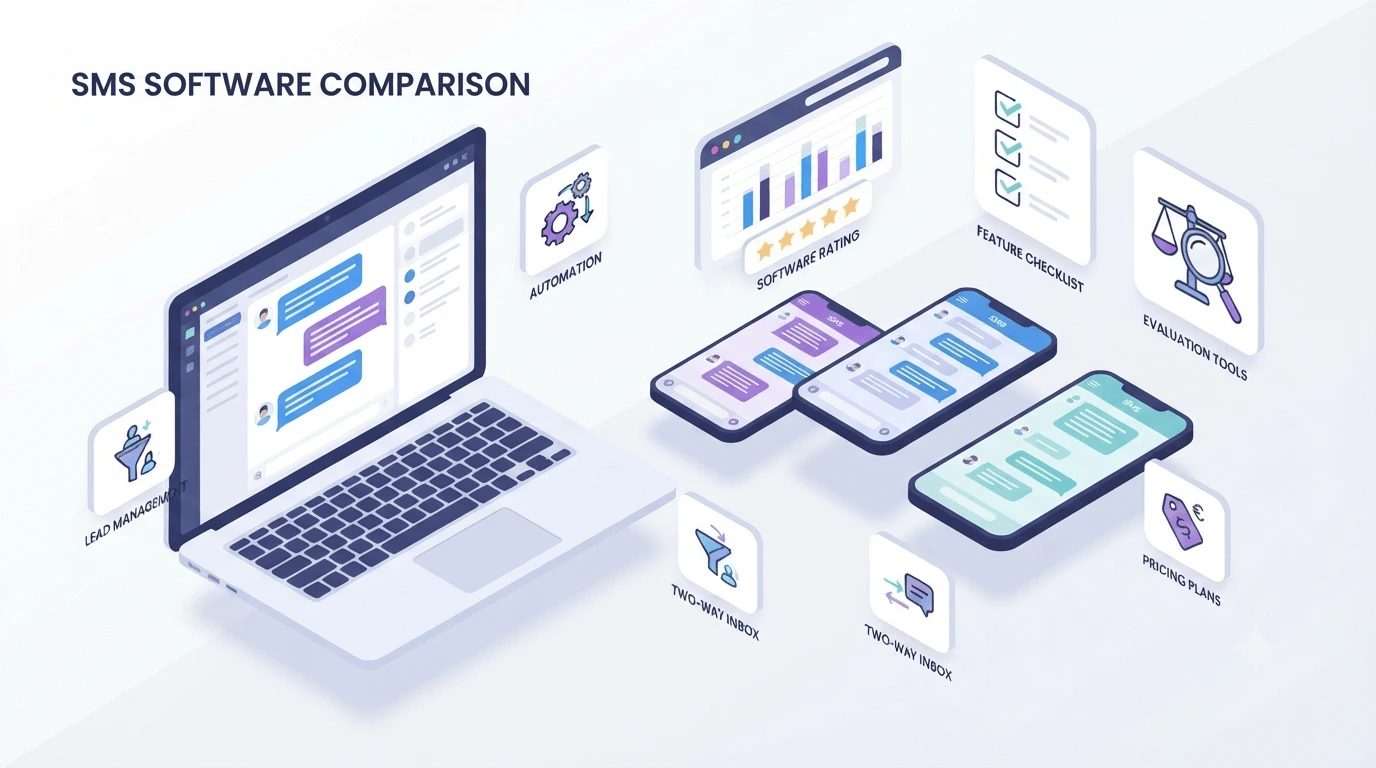
MK TextBiz provides the tools businesses need to implement effective SMS marketing strategies, including segmentation, templates, automation, campaign scheduling, two-way messaging, and lead management.
By keeping communication, contacts, and campaigns in one platform, businesses can execute these best practices more efficiently while maintaining a consistent customer experience.
Frequently Asked Questions
- How often should businesses send SMS campaigns?: The ideal frequency depends on the audience and message value. Quality is more important than quantity.
- Is personalization important in SMS marketing?: Yes. Personalized messages generally achieve better engagement than generic messages.
- Should customers be able to reply?: In most cases, two-way messaging improves engagement and customer satisfaction.
- Can SMS marketing work for small businesses?: Yes. SMS marketing is effective for businesses of all sizes.