One-way SMS, sending a message with no expectation of a reply, has its place for simple alerts and notifications. A shipping update or a one-time password doesn't need a conversation attached to it. But when a business treats every customer interaction this way, it ends up treating every message as a broadcast rather than a conversation, even in situations where the customer clearly wants to respond.
What changes with two-way messaging
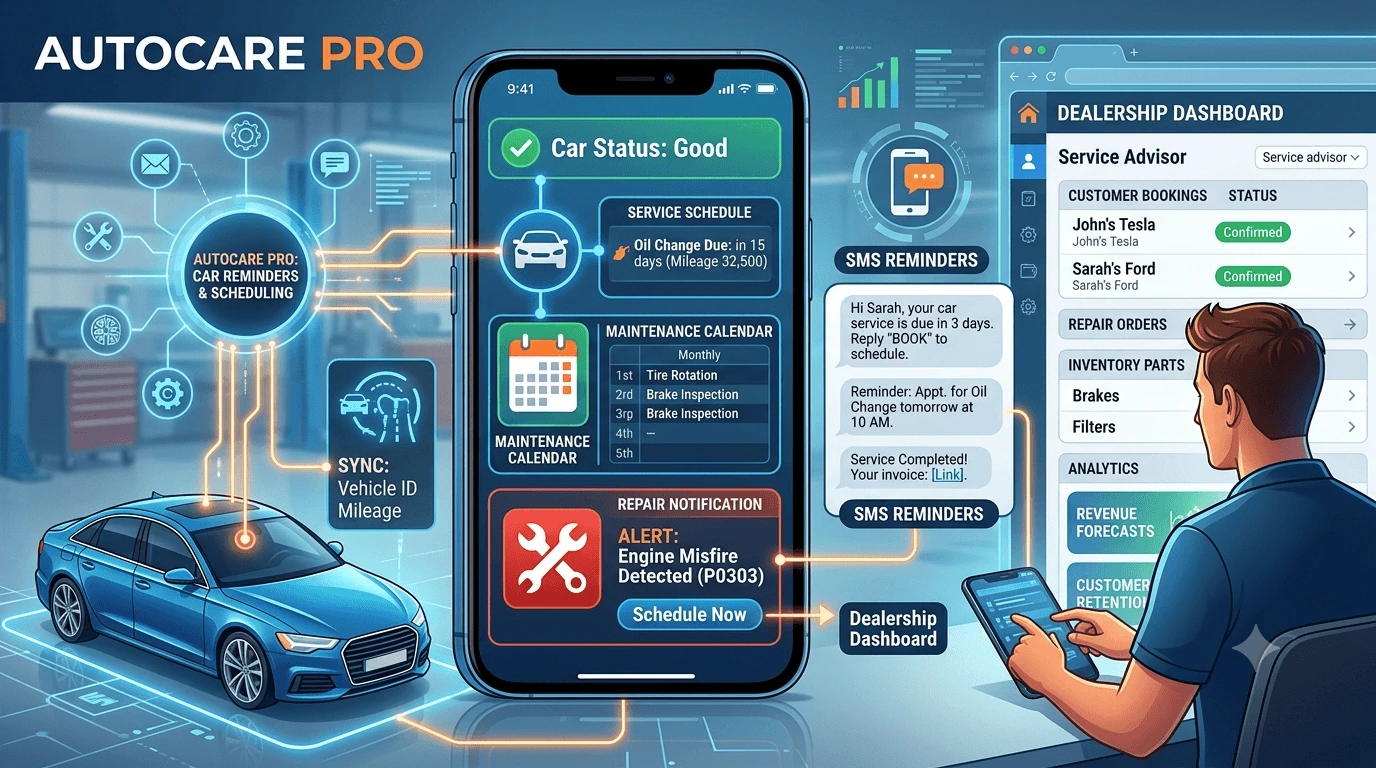
When a customer can reply directly to a text, to confirm an appointment, ask a follow-up question, or respond to a promotion, the interaction starts to feel personal rather than automated. There's a real difference between receiving a notice and being part of an exchange, and customers pick up on that difference quickly, even if they can't quite articulate why one business's texts feel more human than another's.
Why this matters most at the decision moment
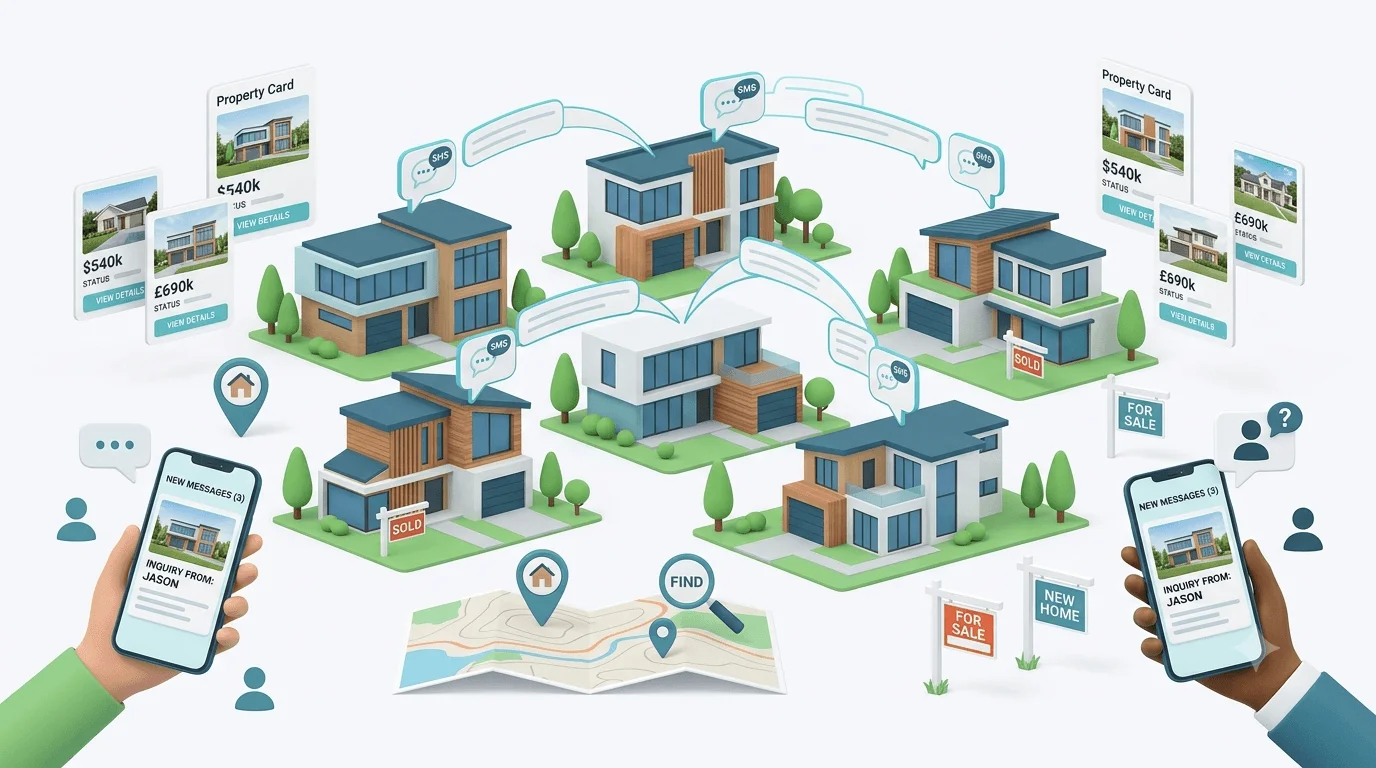
This matters most at the exact moments customers are deciding whether to engage further: a buyer asking about a listing, a patient confirming a visit, a shopper asking if an item is in stock. A reply-friendly conversation captures that moment. A one-way blast lets it pass by, because the customer has nowhere to direct their question except a separate phone call or a search for a contact page.
Note: Most lost engagement isn't customers losing interest. It's customers hitting a dead end when they try to ask a quick follow-up question and have no easy way to do it.
Managing replies without extra tools
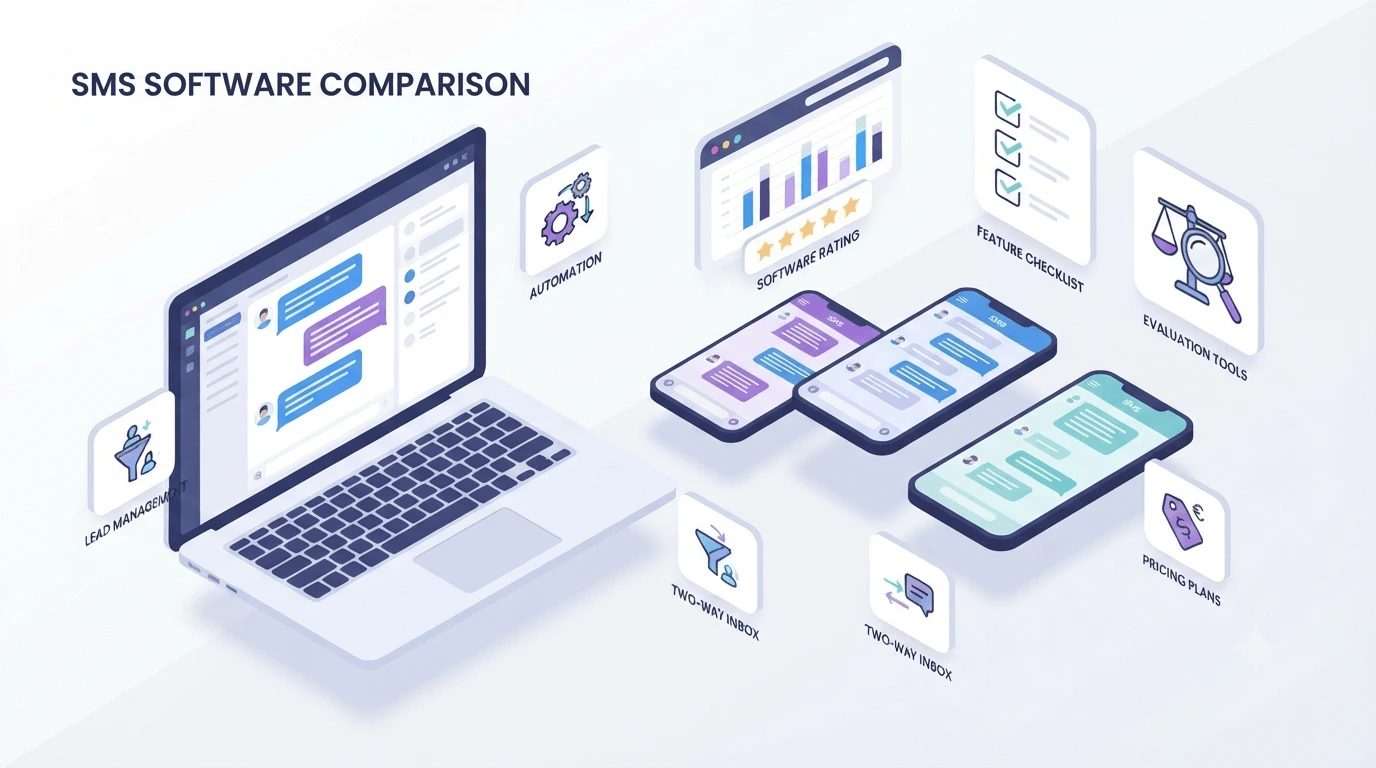
With a unified inbox handling inbound replies, businesses can manage two-way conversations across all their contacts without needing a separate tool for customer responses. Everything stays inside the same dashboard used for sending, so a reply doesn't disappear into a different app that nobody checks regularly.
This also means whoever is responsible for replies, whether that's a single owner-operator or a small front-desk team, can see the entire conversation history in context. There's no need to dig through a separate messaging app or guess what the original outbound message said before responding.
- Centralized inbox: All inbound replies land in one place, regardless of which campaign or contact triggered them.
- Full conversation history: Staff can see the entire back-and-forth with a contact, not just the most recent reply.
- No separate texting app: Replies are handled in the same platform used for sending, so nothing gets missed in a second inbox.
The engagement difference is measurable
Businesses that enable two-way messaging consistently see stronger engagement than those relying purely on outbound blasts, simply because customers have an easy, low-friction way to respond in the moment a question or interest comes up. It's a small structural change with a real impact on how customers experience the relationship, not just on whether a message technically got delivered.