SMS marketing is the practice of sending promotional, transactional, or informational text messages directly to customers who have agreed to receive them. Unlike social media platforms where algorithms determine visibility, SMS messages are delivered directly to a customer's mobile device.
Businesses of every size use SMS marketing because it provides a fast and direct communication channel. Whether you're sending appointment reminders, promotional offers, delivery updates, or customer support messages, SMS helps businesses reach customers almost instantly.
As customer attention becomes increasingly fragmented across multiple digital platforms, SMS continues to stand out because it reaches people where they spend most of their time: on their phones.
Why SMS Marketing Has Become So Popular
Many marketing channels compete for attention. Emails compete with crowded inboxes. Social media posts compete with algorithms and endless content feeds. SMS works differently because messages appear directly on a user's device.
This direct communication channel makes SMS particularly useful for time-sensitive communication. Businesses can send appointment reminders, flash sales, event updates, and customer notifications without relying on customers to log into a specific platform.
- Direct communication: Messages arrive directly on customer devices without requiring an app download.
- Fast delivery: Messages typically arrive within seconds.
- High visibility: Customers frequently check text messages throughout the day.
Types of SMS Marketing Messages
Not every text message serves the same purpose. Successful businesses typically use several different message categories.
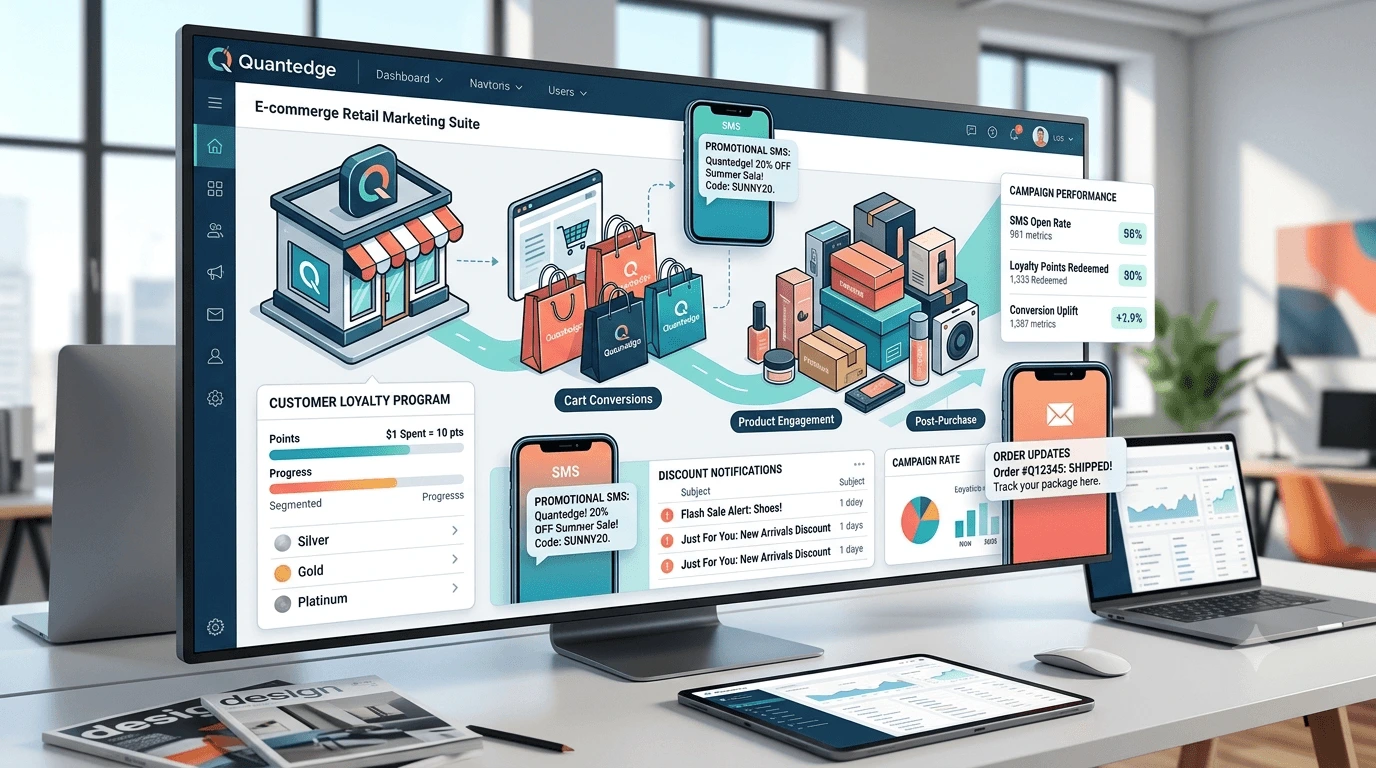
- Promotional messages: Discounts, sales announcements, special offers, and product launches.
- Transactional messages: Order confirmations, receipts, and delivery notifications.
- Appointment reminders: Healthcare providers, salons, and service businesses use reminders to reduce no-shows.
- Customer service messages: Support updates and customer communication.
How Businesses Build an SMS List
A successful SMS strategy starts with permission. Businesses should only send messages to contacts who have explicitly agreed to receive them.
Common opt-in methods include website forms, checkout pages, QR codes, event registrations, and customer service interactions.
Building a quality list is more important than building a large list. A smaller audience that wants to hear from you will outperform a larger audience that does not.
SMS Marketing Best Practices
Effective SMS campaigns focus on relevance and timing. Customers appreciate useful information but quickly lose interest in messages that feel repetitive or irrelevant.
- Send only valuable messages: Every message should provide clear value.
- Segment your audience: Send relevant offers to the right customers.
- Use personalization: Include names and relevant details when appropriate.
- Keep messages concise: SMS works best when communication is short and clear.
Common Mistakes to Avoid
Many businesses damage engagement by sending too many messages or sending irrelevant content. Frequency should always be balanced with customer expectations.
Another common mistake is treating SMS as a broadcast-only channel. Two-way messaging often creates stronger customer relationships because customers can reply directly.
Tip: Focus on relevance first and volume second. Helpful messages outperform frequent messages.
How MK TextBiz Helps Businesses Succeed
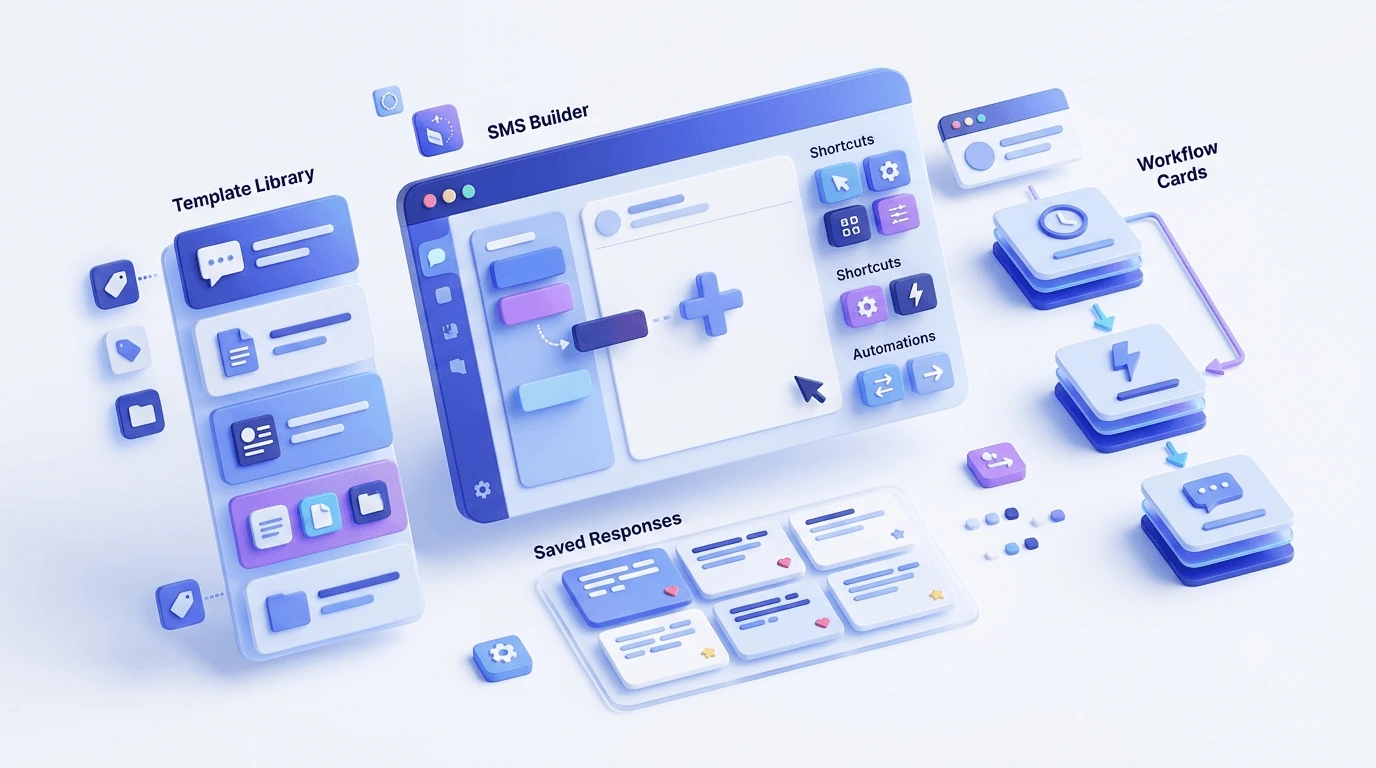
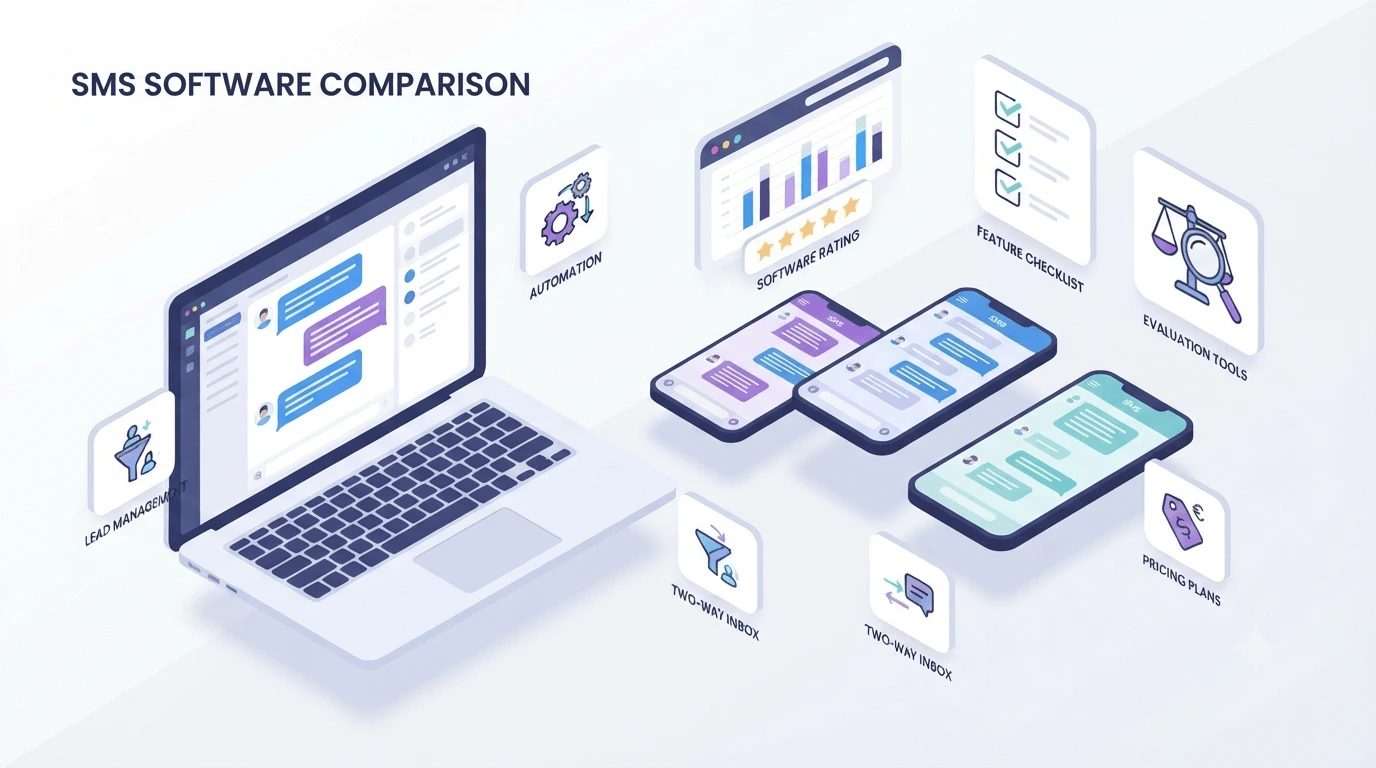
MK TextBiz combines SMS campaigns, lead management, templates, automation, contact segmentation, and two-way messaging within a single platform.
Businesses can organize contacts, automate follow-ups, schedule campaigns, and manage conversations without switching between multiple tools.
This creates a more efficient communication process while improving customer engagement and response rates.
Frequently Asked Questions
- What is SMS marketing?: SMS marketing is the use of text messages to communicate with customers for promotional, informational, or transactional purposes.
- Do customers need to opt in?: Yes. Businesses should only message customers who have provided permission.
- Can small businesses use SMS marketing?: Yes. SMS marketing works for businesses of all sizes.
- What industries benefit most from SMS?: Healthcare, retail, real estate, automotive, fitness, and service businesses commonly achieve strong results.