No-shows are one of the most persistent, frustrating problems in clinic scheduling. A patient forgets, gets busy, or simply doesn't see a reminder in time, and a slot that could have helped another patient goes empty instead. Multiply that across a week of bookings and the lost revenue, and lost capacity, adds up fast.
Why SMS reminders work better than calls
SMS reminders reach patients directly, with high open rates and almost no delay between sending and reading. Unlike a phone call that might go to voicemail or get screened as an unknown number, a text sits visibly on a patient's lock screen until they deal with it, which is usually within minutes.
Calls also require staff time on the front end, dialing, waiting for an answer, leaving a message if there's no answer, and often calling back later to try again. A reminder sent by text takes the same amount of staff effort whether it reaches one patient or two hundred.
Two-way confirmation reduces friction
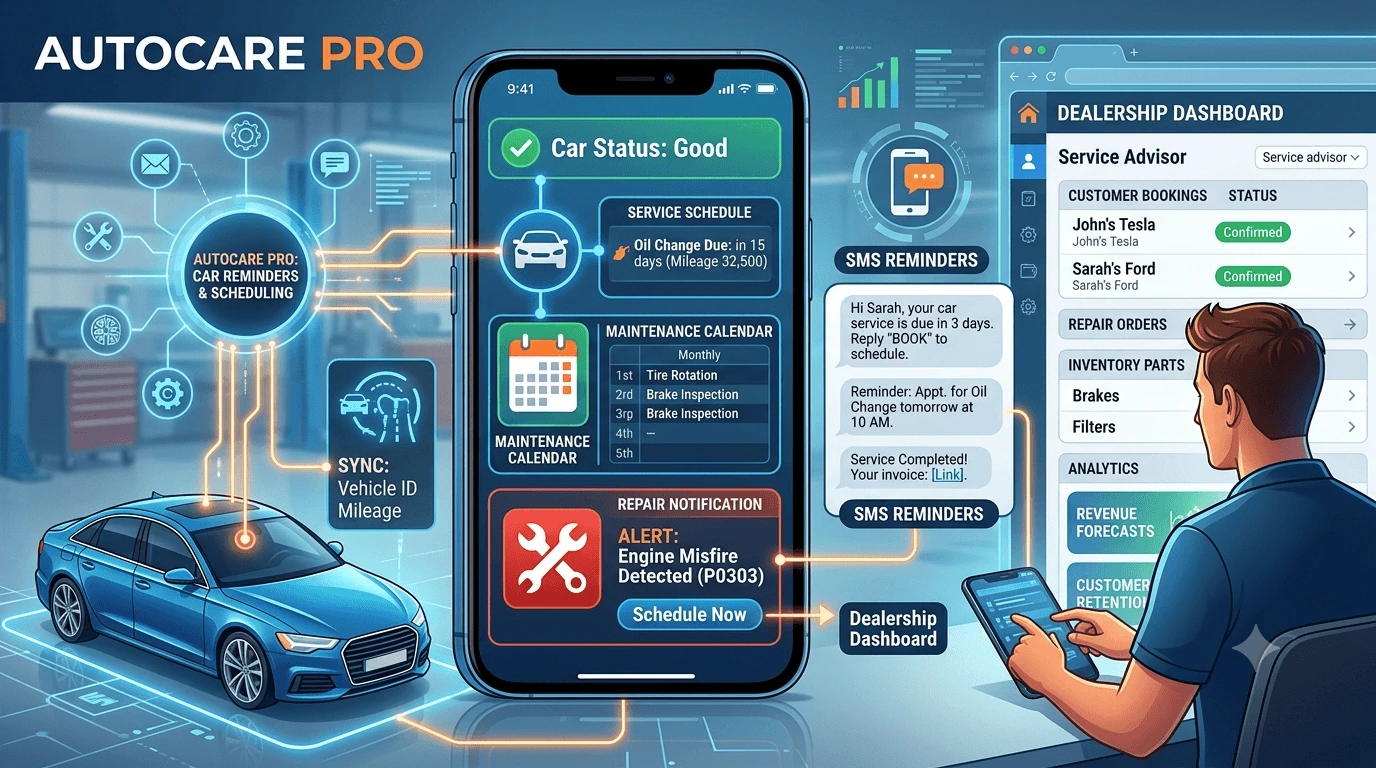
Two-way SMS lets patients confirm, reschedule, or ask quick questions without picking up the phone, reducing friction on both sides and cutting down on staff time spent making confirmation calls. A patient who can't make it can simply reply to say so, and the slot opens up early enough for the clinic to fill it with someone else.
Tip: Reminders that allow a simple reply tend to get far higher confirmation rates than one-way notices, because patients can respond from wherever they already are.
Setting up a reminder workflow that actually works
A good reminder system doesn't need to be complicated. Most clinics see strong results from a fairly simple sequence: an initial reminder a few days before the appointment, and a shorter follow-up the day before or the morning of.
- First reminder: Sent two to three days before the appointment, giving patients enough time to reschedule if needed.
- Second reminder: Sent the day before or morning of, as a final nudge with a quick reply option to confirm.
- Reschedule handling: A reply indicating a conflict routes back to staff so the slot can be reopened and offered to another patient.
The measurable impact
Clinics using automated SMS reminders have reported cutting no-shows significantly, in some cases by as much as 40%, simply by making confirmation effortless for the patient. That's a meaningful number when you consider how much of a clinic's revenue depends on every booked slot actually being used.
Setting this up doesn't require a complex system. A recurring reminder triggered ahead of each scheduled appointment, paired with the option to reply, covers most of what a clinic needs to keep its calendar full and its staff focused on patients instead of phone tag.